Case Studies
- Please describe a case study where innovative design thinking and fresh insight enabled a surprising project outcome
- Torsten: kinetic rebok logo
- CYCLING:RAFA
- dutch railway:
- Luke Veerman, Eden Spiekermann
AWWWARDS, (2018) Redefining Reality with Geoffrey Lillemon, Creative Director of W+K’s Department of New Realities. Available at:
- merging tech and art
- creating new realities
- taking art out of musuem/ gallery context – web experience
- health benefit approach for how robots can assist transient meditative state: sensorial pods, control smell, etc
- crypto currency: giving money a personality, encouraging nurturing
- Using VR to simulate realities – stimulate senses – transforming people to new realities – synthetic nature – “lack of nature is very bad for us, it makes people crazy and hostile and give people a certain kind of anxiety”.
- sensory virtual wilderness
- sense fairy tale – effect on childrens brains – feedback – self expression environments
- including tech to enhance reality
99U, (2019) Joel Beckerman: Designing With Sound. Available at:
- human centric sound first design – symphony of health care – reduce anxiety for patients but also provide a useful data stream for care givers
- as artists and designers, we are all responsible for designing a richer, simpler future
- our world is getting noisier and noiser which scrambles these sonic signals
- makes the world feel chaotic
- alarm fatique in hospitals – confusers care givers and scares patients
Glug, (2019) Marcello Google Creative Labs. Available at:
cross section between art = Tech
Concept Ideas
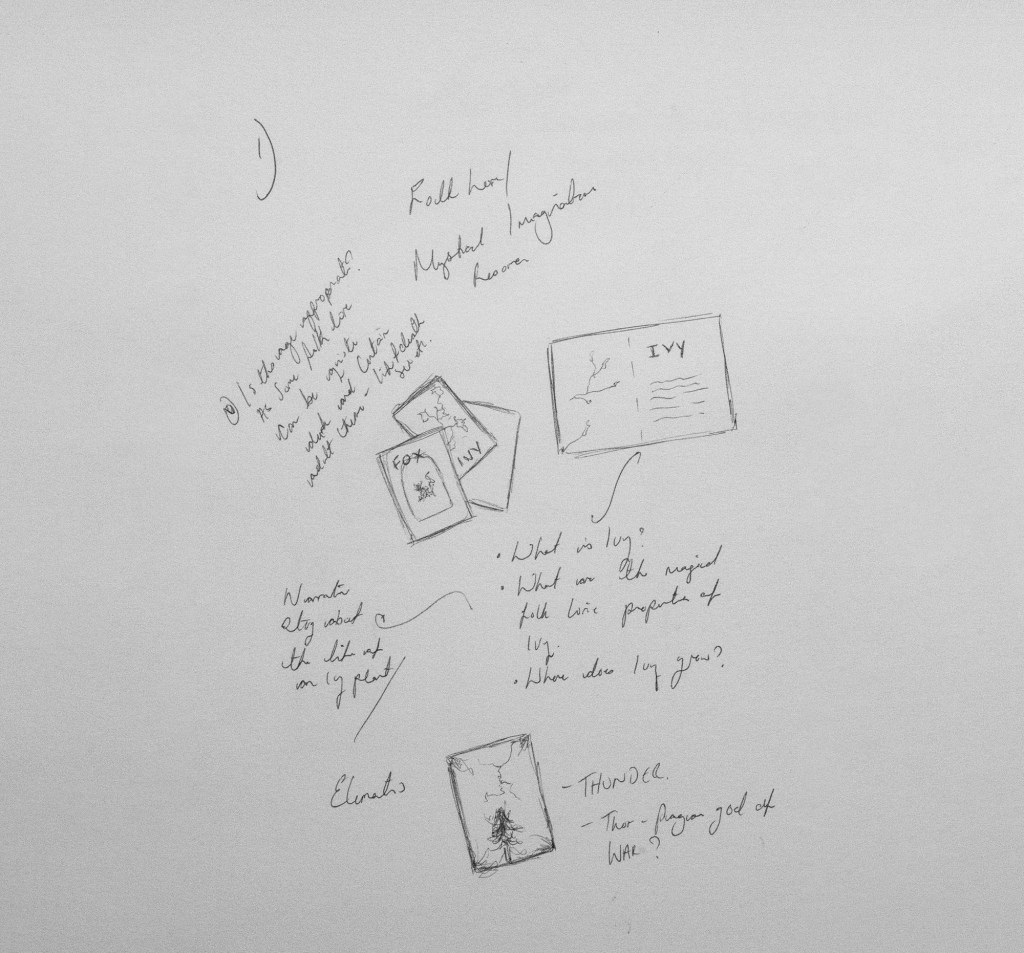
- 1). Illustrative editorial/ interactive play resource/ deck of cards to connect children with the mystical folk lore surrounding plant and animal species. This could have an interactive game function to encourage outdoor activity (in the form of arts and craft or conservation initiatives) or could be an educational resource to spark children’s imagination and excitement of the natural world.
- 2). Illustrative editorial/ interactive play resource/ deck of cards/ video inspired by Richard Dawkins’ book ‘The Magic of Reality’ which explores natural phenomena such as rainbows their scientific processes.
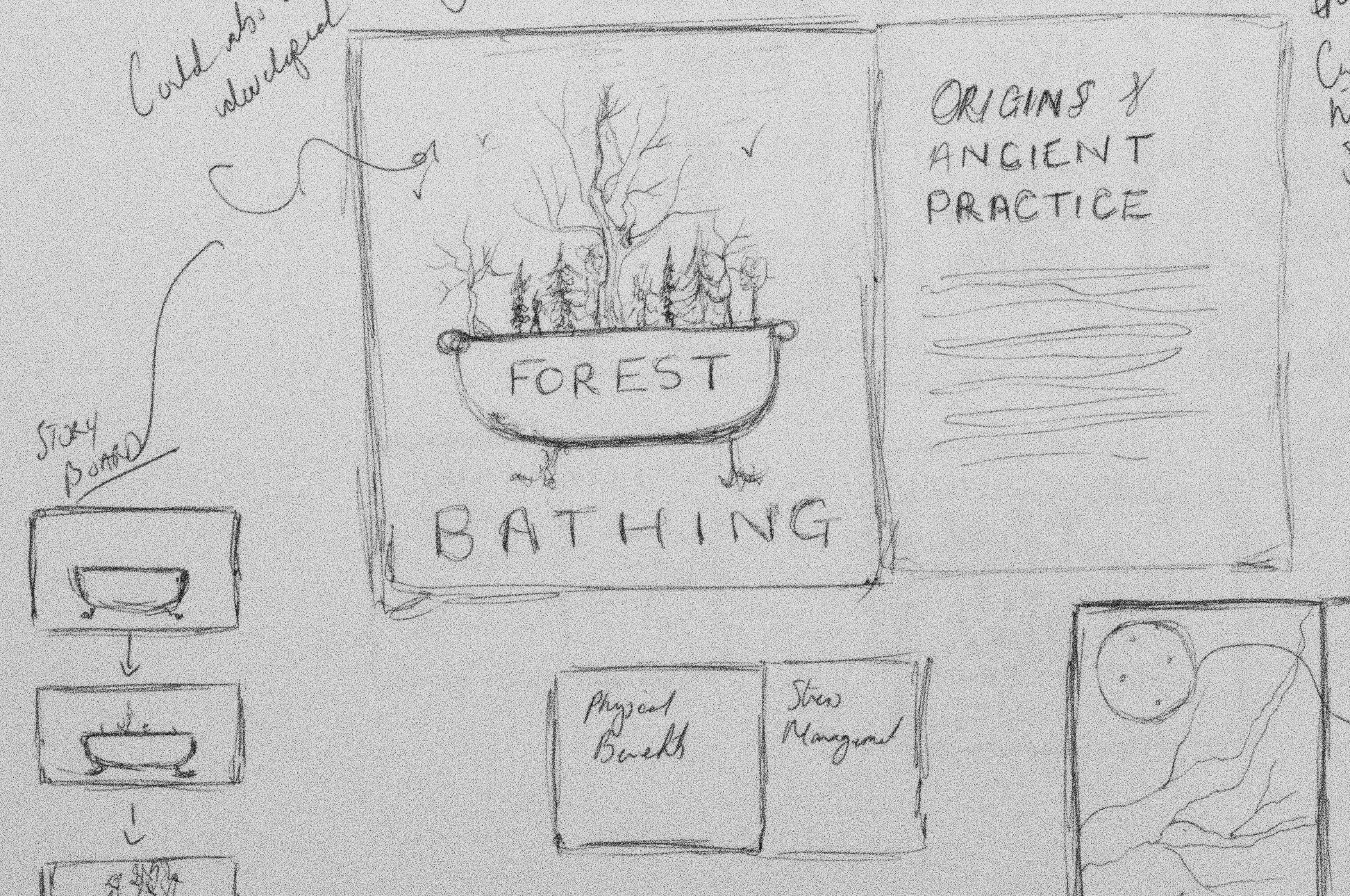
- 3). Forest Bathing campaign/ information resource for education providers and parents exploring scientific data regarding the health benefits of forest-based experiences. As outdoor experiences promote wellbeing and cognitive development, this could include infographics to compel schools, colleges and employers to invest in forest-based wellbeing workshops or events.
- 4). Seasonal foraging resource for parents and individuals to encourage outdoor exploration and sustainable cooking activities. This could encourage engagement with the natural world through survival-based activity, stimulating creativity and self-reliance. It could have an emphasis on easily available plants such as nettle and dandelion in order to appeal to parents and education providers less experienced in outdoor navigation required to find more specialist species.
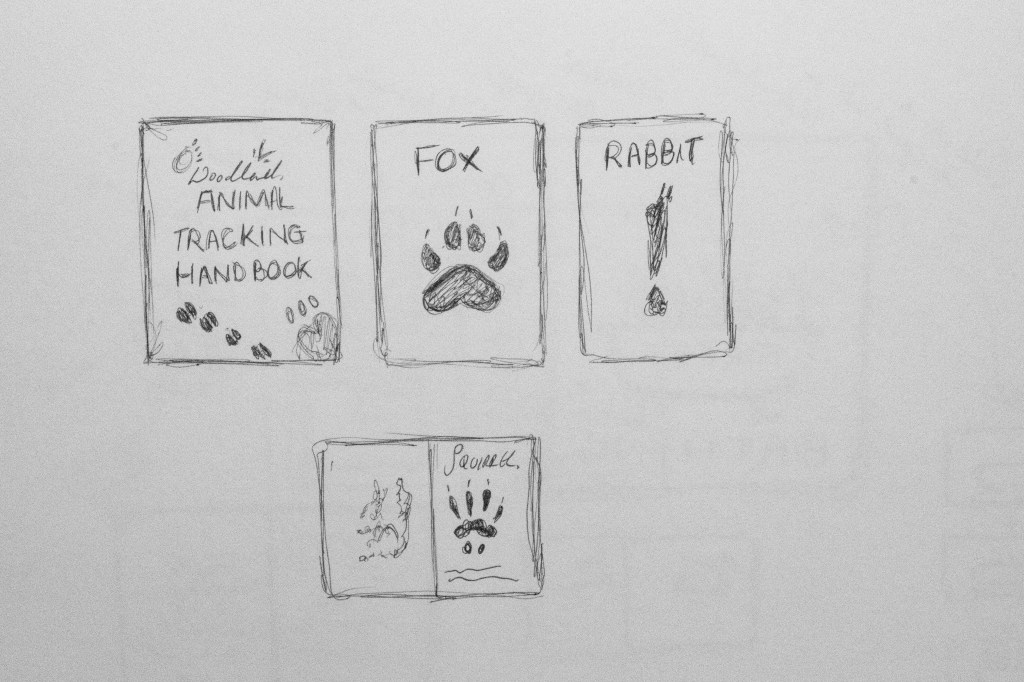
- 5). An animal tracking activities handbook with information graphics and illustrative content teaching people how to identify species through footprints, tracks and sounds etc. This could be extended as an online tracking app to survey species populations in local areas.
- 6). A marketing campaign for a local clean up initiative with an emphasis on local species conservation. This could be an extension of a project from module 1 (Week 6: Noticing the Ignored), however could be explored through the creation of a brand identity with ongoing initiatives to get the local community to engage with conservation and outdoor activity with a social and wellbeing function. I completed this project with a view to explore my animal illustrations as individual characters through an ecological perspective, which I feel would be an appropriate way of connecting local communities with the landscape, narratives around individual species and the individual’s capacity to empower positive ecological action.
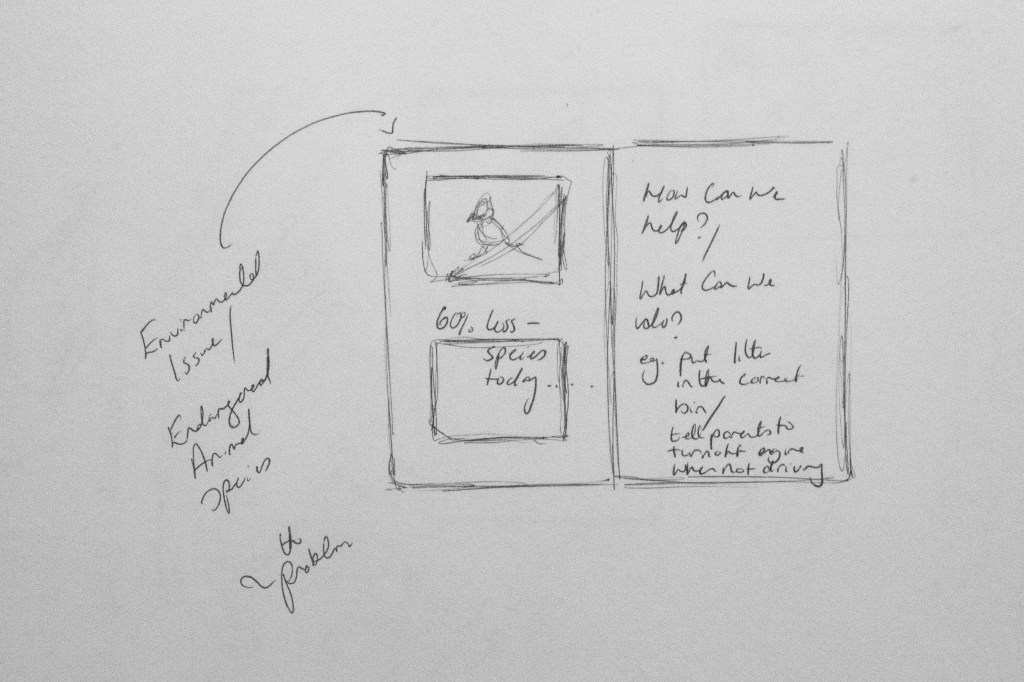
- 7). A resource to responsibly introduce children to environmental concepts in order to educate whilst managing overwhelm, eco-anxiety and empower optimism and positive action.


Target Audience/ Industry Professional Feedback:
Ian Prior:
PGCE Student, Primary Education with Physical Education. Qualified and Experienced Freelance Outdoor Educator. (Current Student Training Placement: St Mary’s Catholic School, Norton, Stoke on Trent).
- No. 1 Folk lore: More original idea, not seen before in curriculum or external projects which could also be used for older students. Could be a hook for historical, religious, literary studies.
- No. 2 The Magic of Reality: Interesting original way of teaching children about science. Could be incorporated into daily routine, e.g. Daily morning/ end of day fun fact.
- No. 3 Forest Bathing: Could exclude urban communities due to lack of access to local forest. Would require more time, preparation and budget for off site visits.
- No. 4 Foraging resource: Also limited and less original due to existent projects
- No. 5 Animal tracking resource: Limited possibilities, less original approach as there are existent projects by RSPB, Woodland Trust etc. Could exclude urban areas due to less access to nature spots with active animal habitats/ activity.
- No. 6 Species conservation driven local clean up initiative: Can be adapted local areas and location/ region specific wildlife, eg London has a population of wild parakeets. Also, litter is a common issue relevant to all human populated areas. Good way of teaching children about responsibility, waste and ecology as well as being an accessible outdoor team building activity. The characterisation and narrative aspect of this idea could provide a hook for other subjects such as literature, creative writing, drama etc.
- No. 7 Children’s introduction to environmental concepts: A valuable idea but potentially triggering and unnecessary for early years. Potential idea for KS 2-3
Critical Reflection:
Having discussed my 7 initial concepts with an industry professional within the teaching sector, (Ian Prior (PGCE Student, Primary Education) regarding my 7 initial concept ideas, I was able to evaluate the strengths and weaknesses of each idea through a professional perspective regarding key aspects of accessibility, deliverability within various educational contexts, location etc and their originality in comparison to competing projects that I wasn’t previously aware of as an outsider to this sector. For instance, No. 3, (a resource communicating data regarding forest bathing’s wellbeing benefits as part of a campaign/ information resource for education providers and parents) raised accessibility issues as the requirement of woodland could exclude urban communities and require more time, preparation and budget for off site visits. Similarly, No. 5 (an animal tracking resource) exclude non rural areas due to less access to nature spots with wild animal populations and traceable habitats and activity. Additionally, along with no. 4 (a foraging initiative/ guide) this idea was critiqued as being less original due to existent projects by RSPB, Woodland Trust etc.
Although No. 2 (resource inspired by Richard Dawkins’ book ‘The Magic of Reality’ to engage children with the scientific processes of natural phenomena) was of interest, it seemed limited in it potential to be developed into something innovative and boundary breaking.
No. 3, a similar idea to No. 2, however exploring the folk loric and spiritual history behind plants and animal species and the natural elements, was identified as a more original approach not seen before which could provide educational value providing hooks to other subjects such as history, literature, creative writing, drama and art. This would also be an accessible way to generate nature related wellbeing through an imaginative, creative output rather than a direct experience in nature.
No. 6 on the other hand encorperates these ideas whilst offering a function to encourage people outdoors in accessible areas not exclusive to untouched wilderness or rural countryside.
Selected Design Concept: Critical Analysis
Although I liked the wellness landscape idea (Crazy Eights no. 2), I was more drawn to the map idea (Crazy Eights no. 1) and no. 6 of my first ideation session (Species conservation driven local clean up initiative), as in alignment with the original project plan, they felt like more effective opportunities to use indirect natural representations to initiate direct experiences in nature. As both ideas were grounded in a similar conceptual approach, I chose idea no. 6 with a view to further develop its functional outdoor application as a potential real-world campaign, considering Tom’s feedback to introduce mysticism and narrative to create engagement within a young, imaginative audience.
For instance, were it to be a clean-up initiative, it could be adapted to regional areas and their specific wildlife, e.g. London has a population of wild paraquets. As litter and waste is a global problem across all human populated areas, I thought that this could provide an interesting way of teaching children about sustainability and ecology as well as being an accessible outdoor team building activity conducive to mental and physical wellbeing. The characterisation and narrative aspect of this idea could provide a hook for, or be explored through the context of other subjects such as literature, creative writing, drama etc. I could also experiment with multiple formats such as editorial, web and brand design in addition to animation and spatial design. At this point in the project, I decided it was necessary to seek feedback from a more senior professional in the primary education sector in order to develop a concept appropriate for the target audience of children, parents and education providers investing in the design outcome. (See pg. 59)

Graphic Design Professional Contact
After discussing my ideas with a colleague in the design industry, I selected the 4 strongest ideas, however their design strategies varied from indirect representations of nature and direct nature based experiences, such as the campaign for a species conservation driven community clean up initiative. Even though this idea (no. 6 of my first ideation sessions) is based on a previous project, he offered outside perspectives on how the project could be repositioned in alignment with my design strategy in order to create something entirely new and innovative. For example, when discussing the S-C-A-M-P-E-R ideation strategy, he suggested combining it with themes of imagination and spirituality in order to create an emotional connection between the audience and the animal species in question. He also recognised that this could be achieved by creating mysticism within other contexts such as the nature trail map in order to create memorable, enchanting childhood experiences within the natural landscape. Similar to idea 6, this provides an opportunity to utilise indirect playful and imaginative indirect experiences of nature to facilitate and offer value to real world direct experiences in nature.
Potential Formats:
The Druid Animal Oracle Deck, Illustration by Will Worthington. Written by Philip Carr-Gomm.

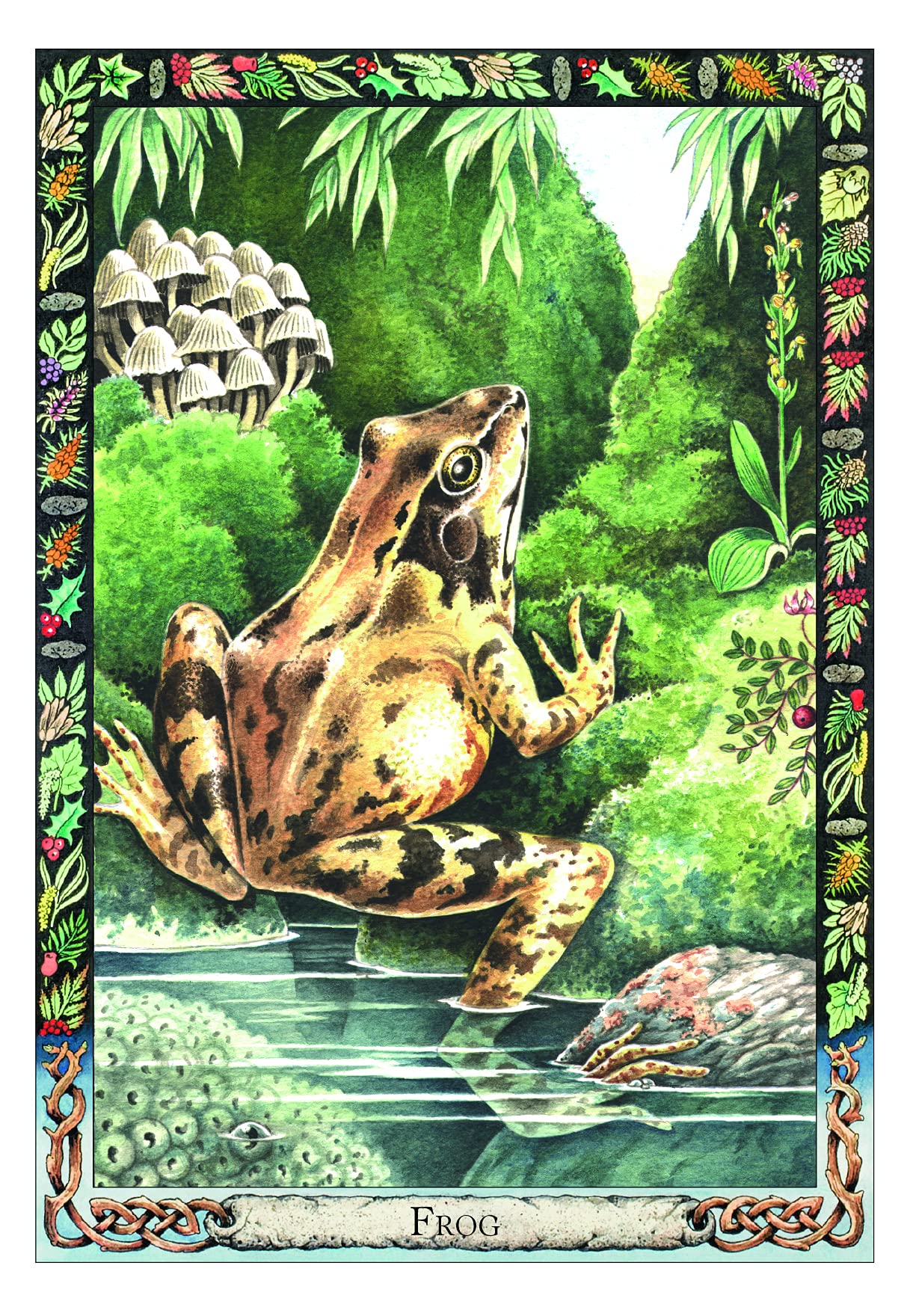
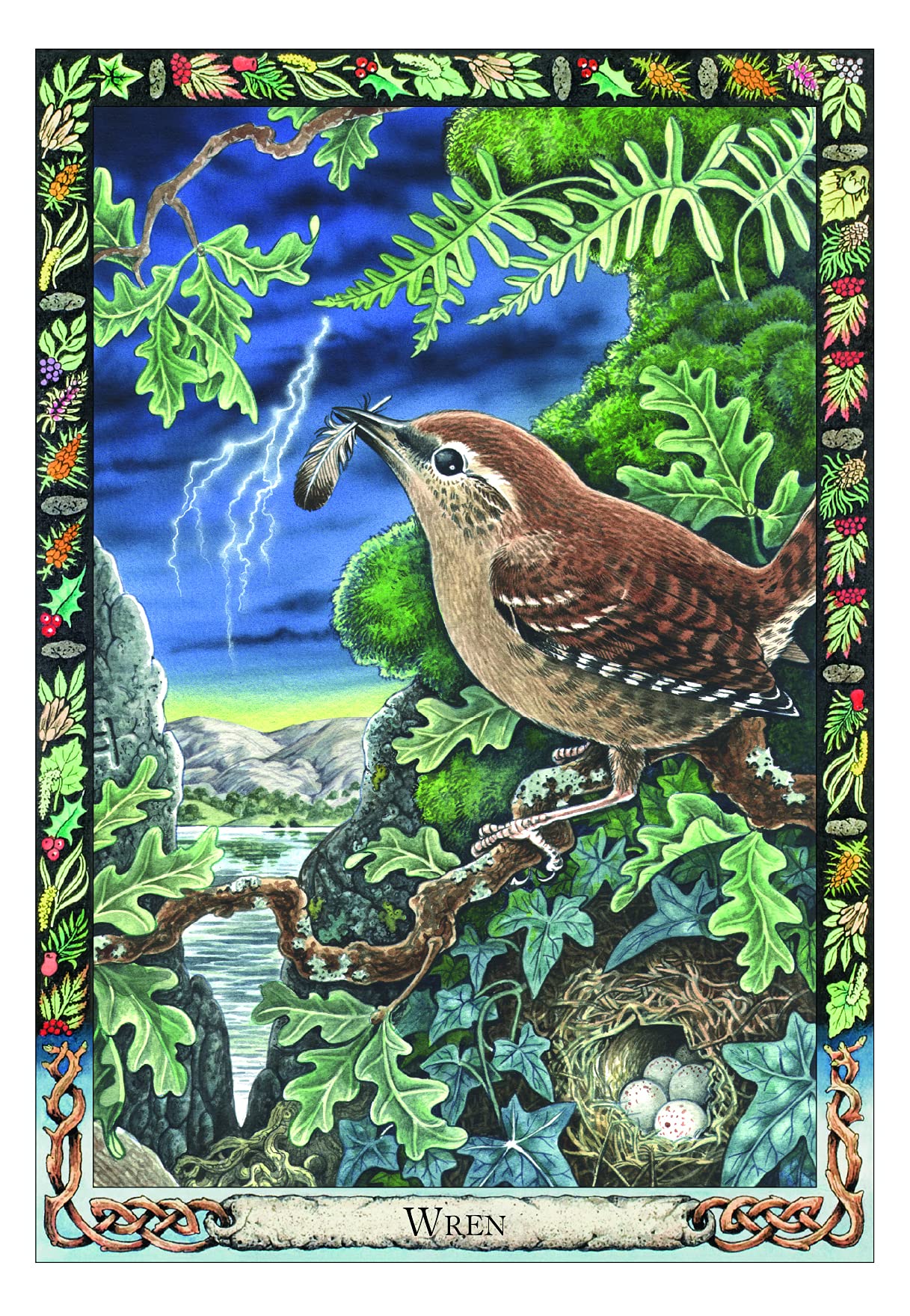


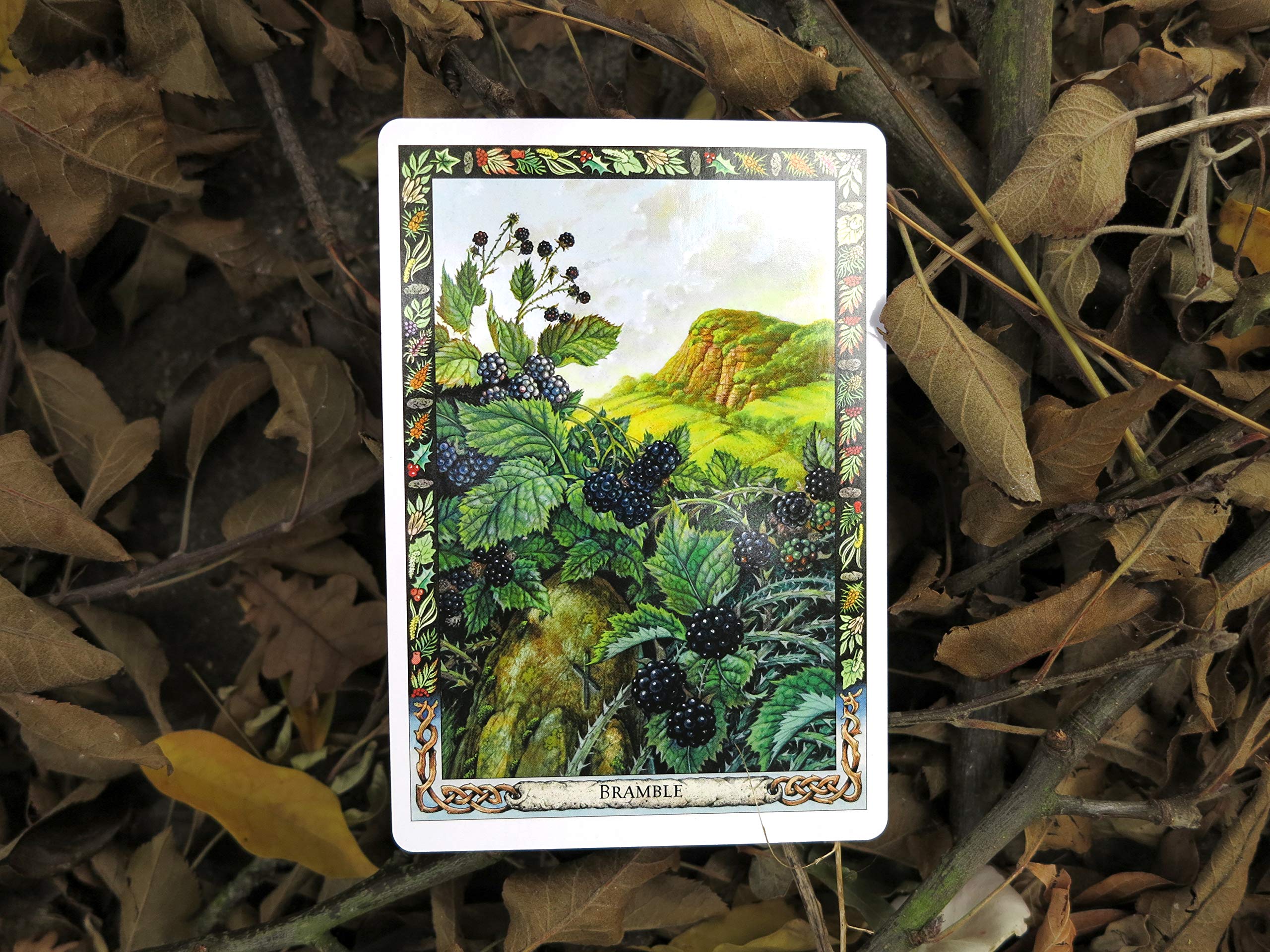
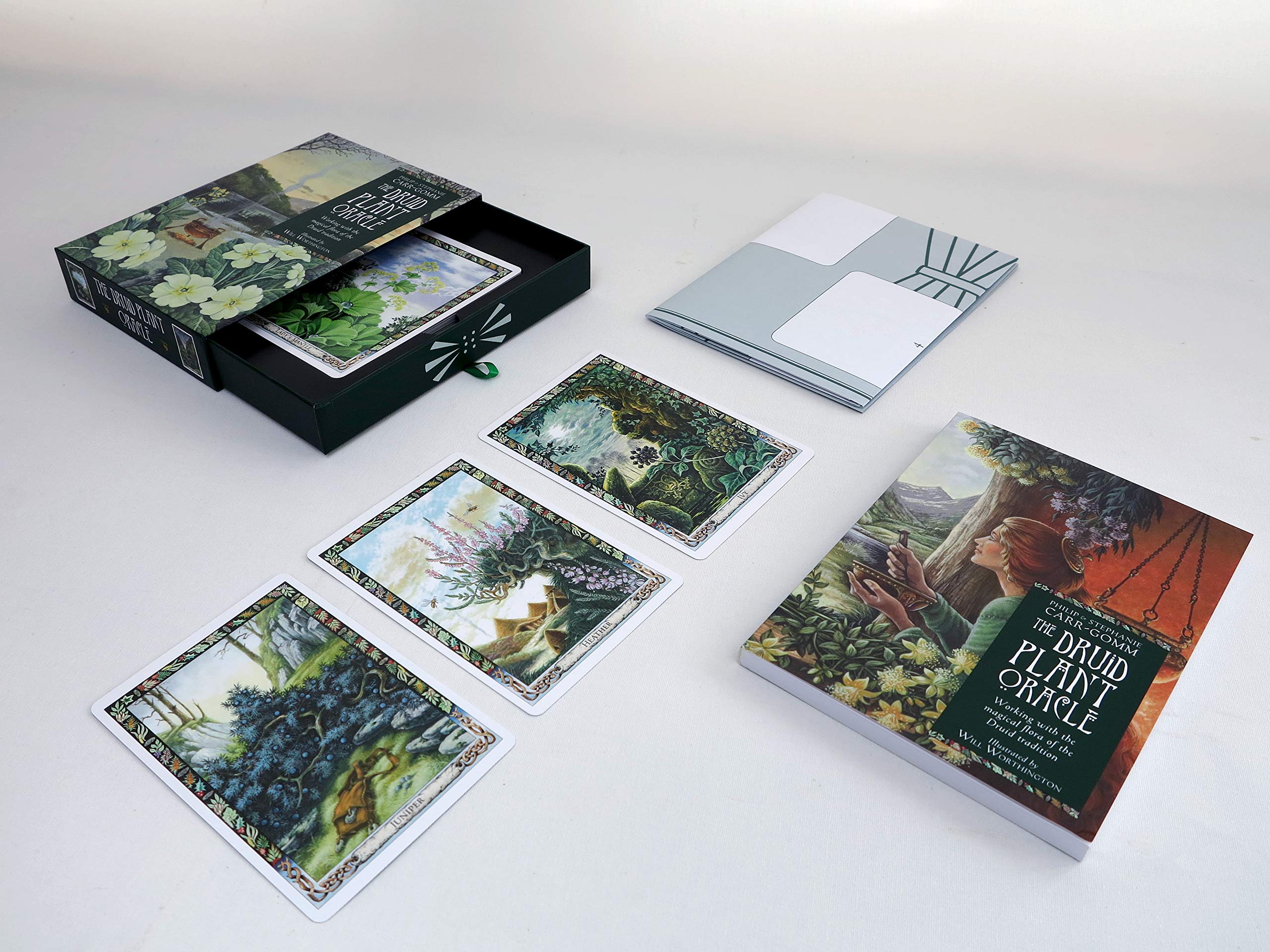
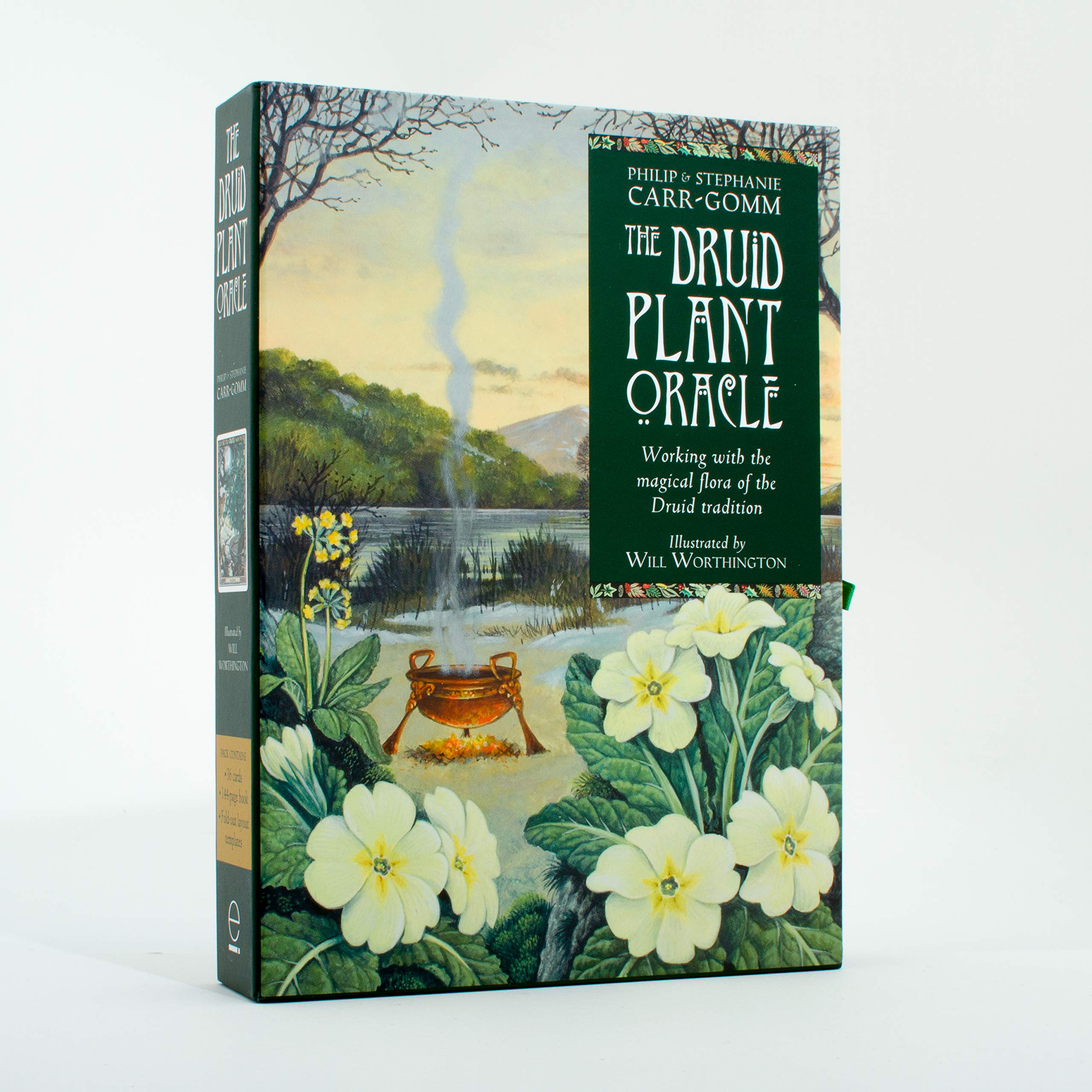

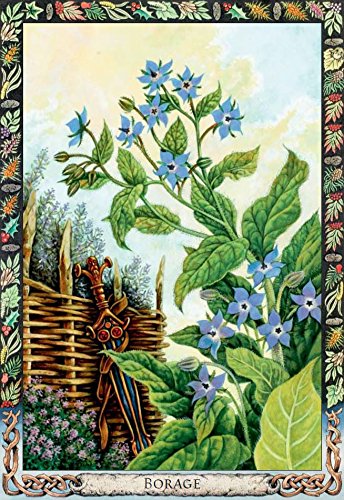

Considering project ideas to communicate awe of nature through mysticism and folkloric narrative, Will Worthington’s contribution to the illustrated Druid Animal Oracle Deck provided theoretical, visual and technical inspiration regarding traditional hand drawn illustration and the power of figurative representations of natural and mythical beings. Although his illustrative style reflects the depth and maturity of the products content and target audience, it inspired me to explore illustration as an imaginative, emotionally and intellectually provocative story telling tool.
His painterly renderings of individual creatures enchant the reader with their historical, spiritual significance, complimenting written attributions within the booklet to facilitate healing and self-development. Although the underlying visual themes within this resource are too intellectually and spiritually complex for my projects target audience, the emphasis on imaginative creativity resonates with Esther Perel’s assertion in her psychotherapy podcast ‘Where should we begin’, that “Children understand that constraint and freedom are controlled by the imagination”. Giving examples of play, such as children being shop keepers one moment and super heroes the next, this inspired me to consider further ways to explore how indirect experiences of nature could be used in innovative ways to create positively transformative experiences.
Innovative Printing Methods: Ecological Sustainable Materials.

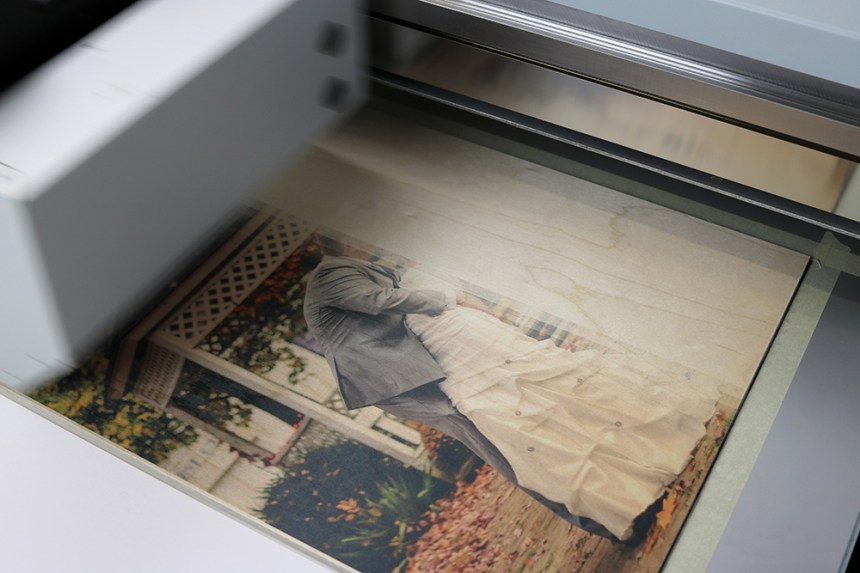
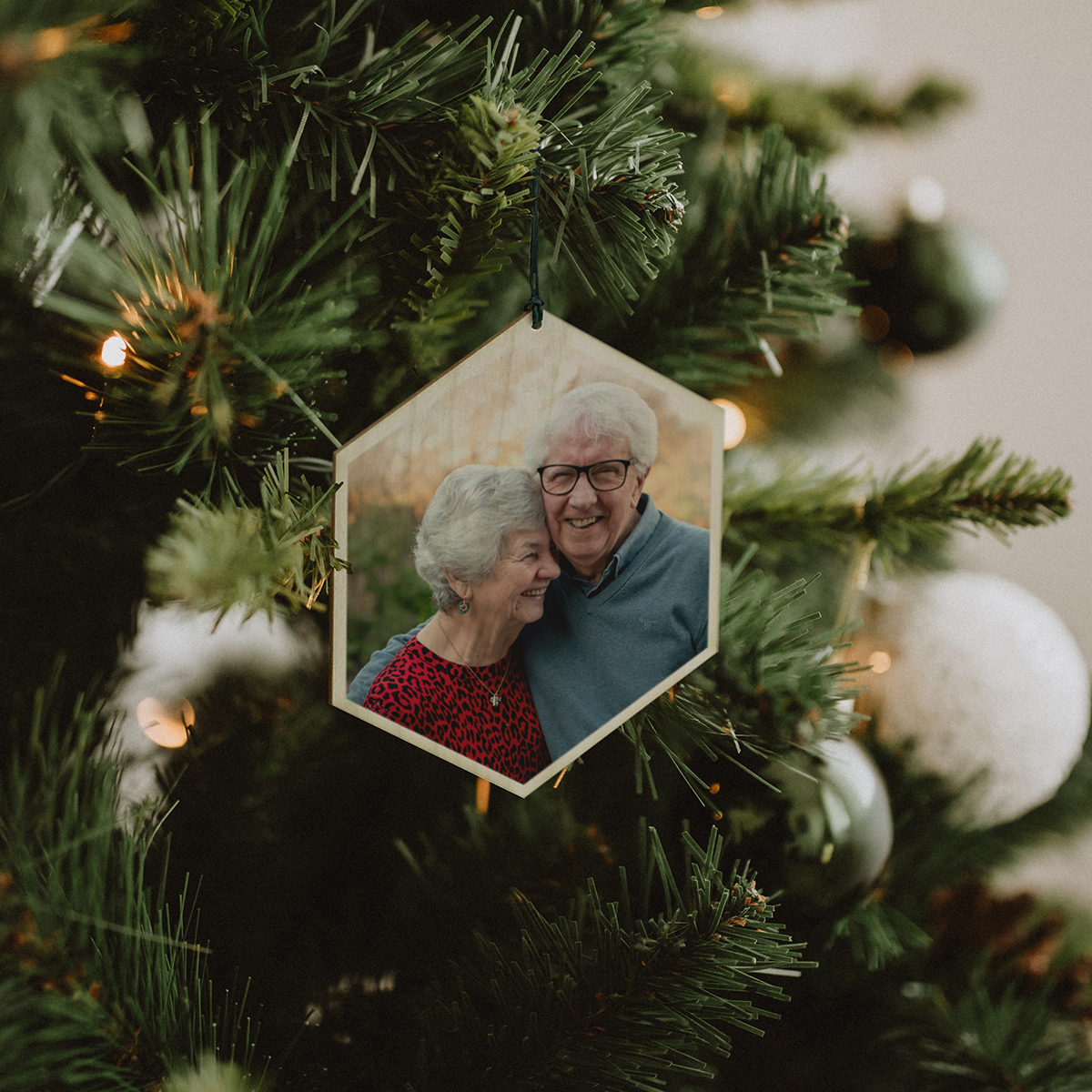
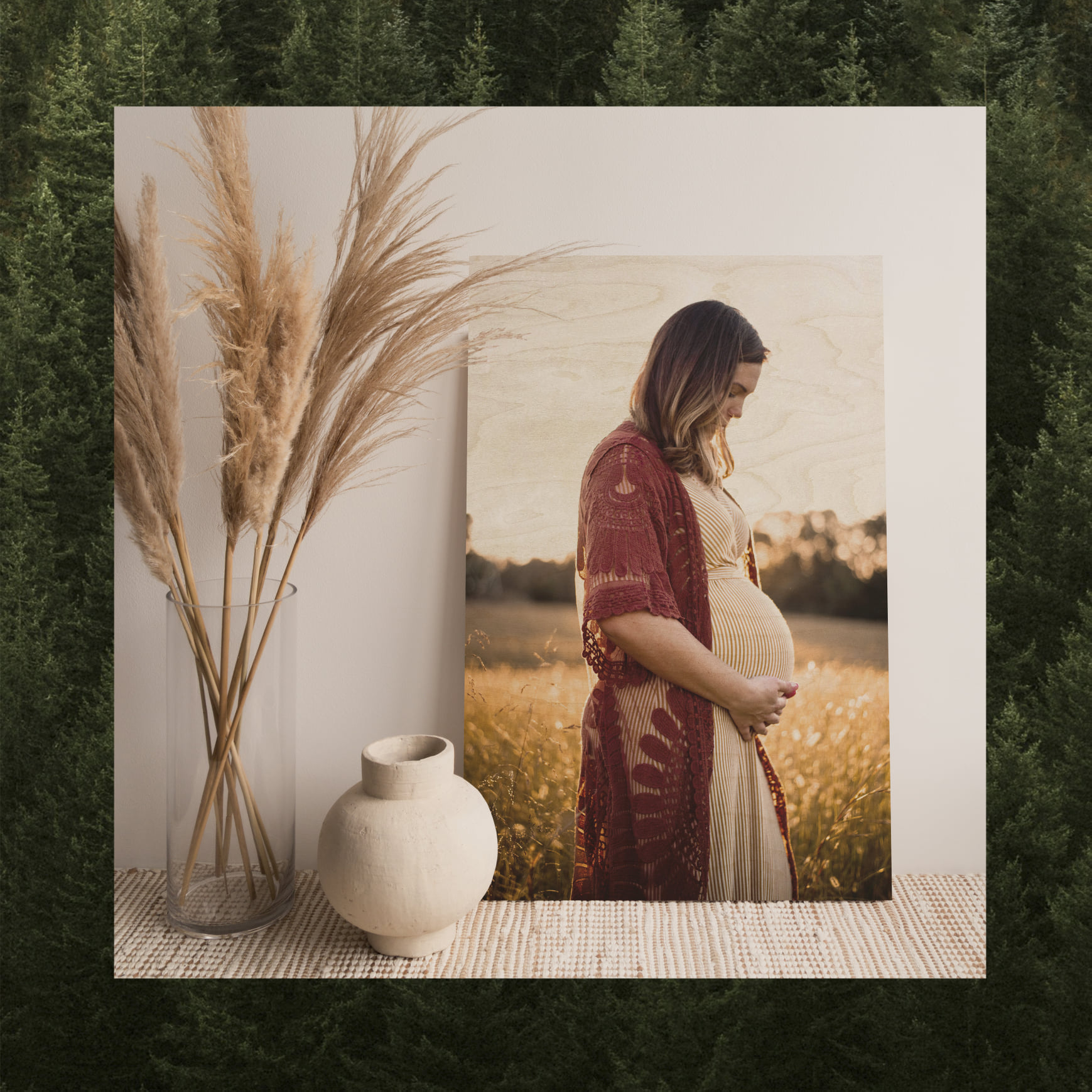
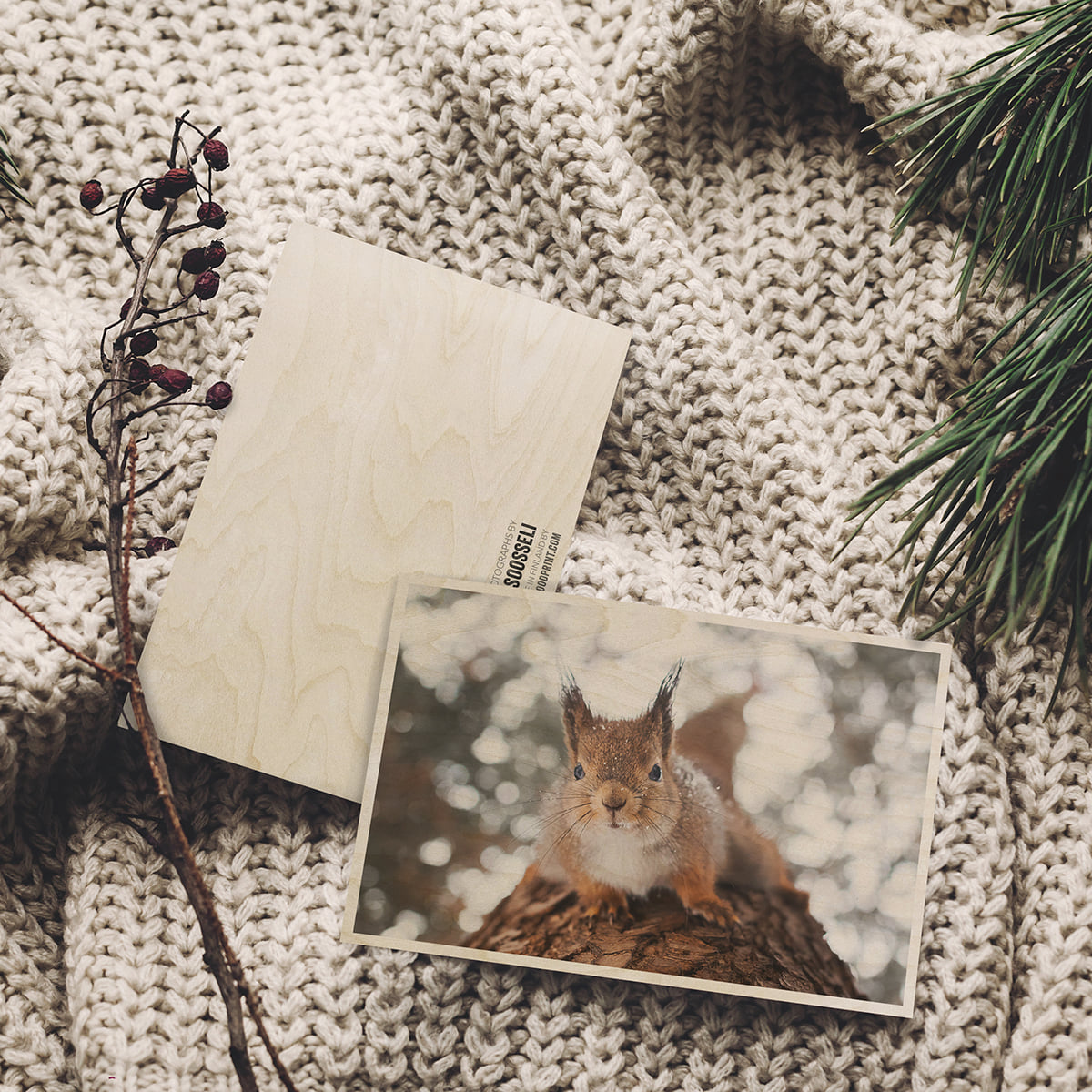
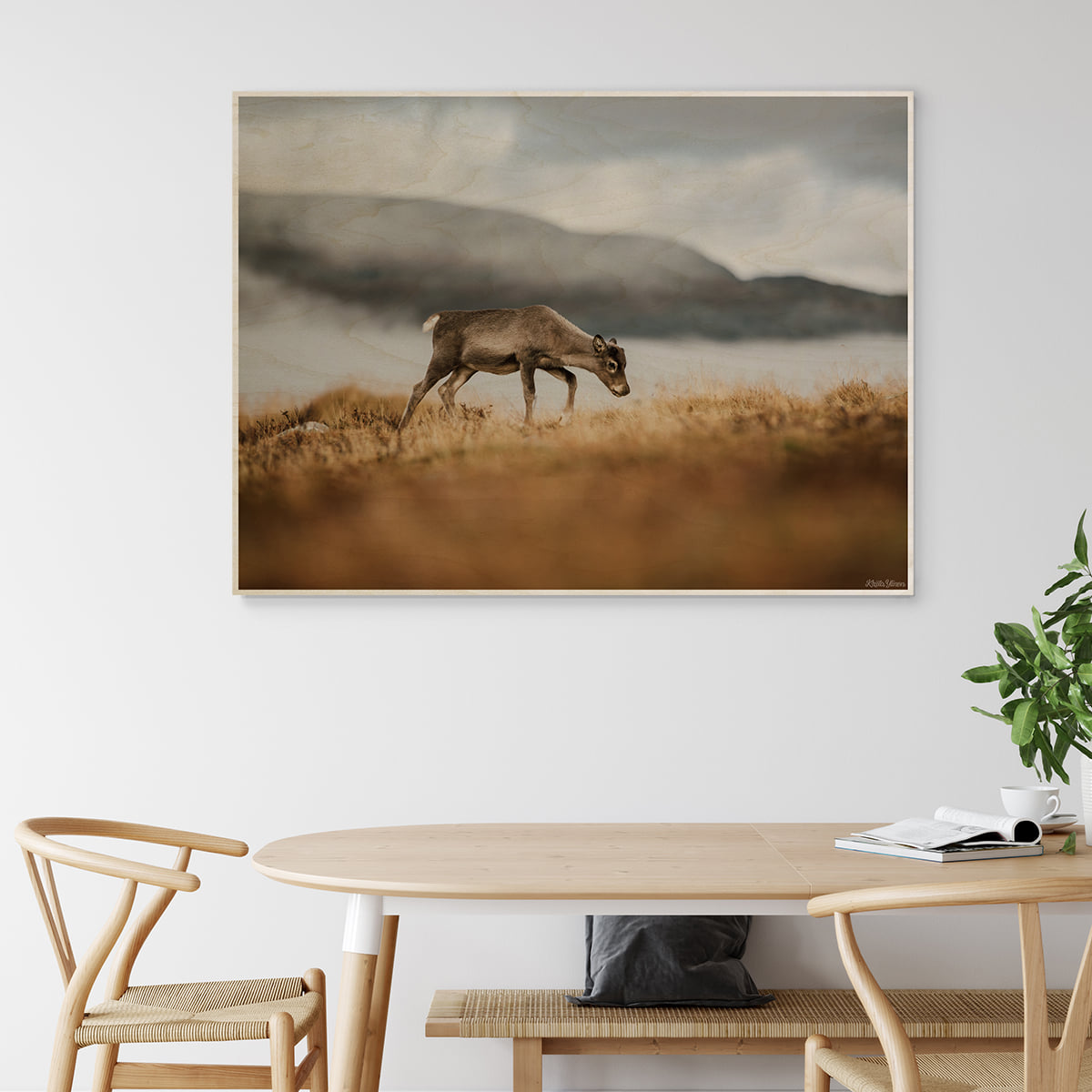
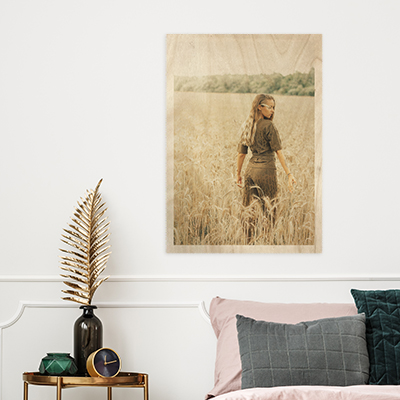
Plywood Printing is a sustainable alternative printing practice using PEFC and FSC certified resources.
Considering this projects conceptual influences of biophilic design philosophy, Plywood printing enables the natural wood grain texture to be incorporated into printed artwork, accentuating the natural thematic core of the design. Due to the wide variety of manufacturing options, plywood printing could be used in many contexts including domestic decoration, or in schools as individual prints from classroom to classroom (class mascots?) or as an environmental mural including interactive biophilic elements such as living walls. In the context of a school this could be part of an extended educational initiative, including a clean up initiative motivated by species conservation, in addition to visual aids for story telling or other creative projects.
Due to its water and heat resistance, plywood printing could also provide opportunities for interactive play, for instance children could collect natural materials to stick onto the mural as part of seasonal celebrations which can then be removed for new projects.





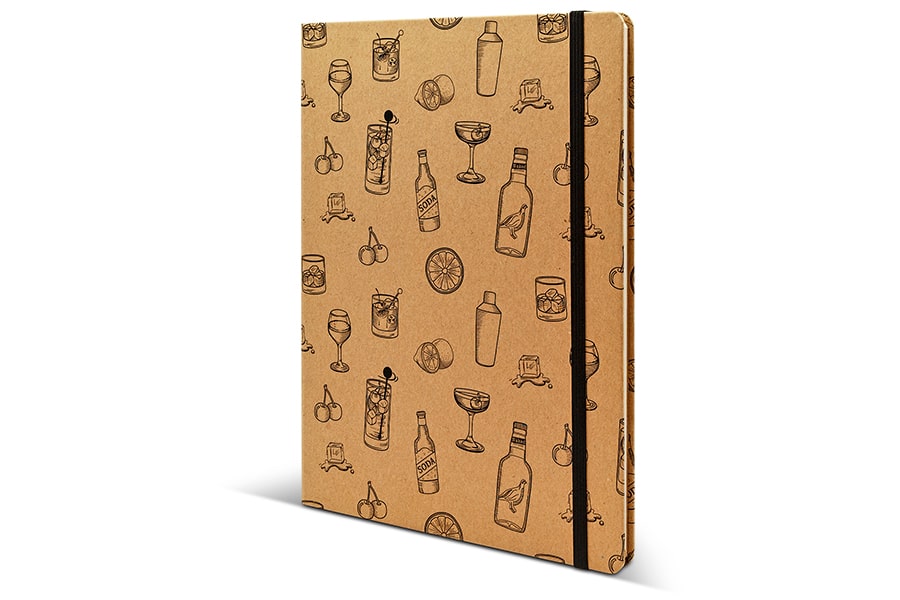
Eco Hardcover Notebooks


Rapanui is an innovative environmental fashion brand practicing circular fashion. Products are made from organic plant-based fabrics and inks and are produced to fulfil live demand avoiding wasted stock. Prints are also customisable, reflecting the brands ecological ethos to limit overconsumption and invest in quality products of high personal value. Their circular fashion strategy tackles environmentally destructive fast fashion by encouraging customers to return old, worn or damaged garments for recycling.
With its brand identity being grounded in environmental ethics and social activism, the product range includes illustrated prints which reference popular culture and natural imagery through a perspective of environmental activism which criticises unsustainable consumer behaviour and challenges cognitive dissonance.

Green, Healthy, Sustainable Schools | Jennifer Seydel | TEDxHerndon
Jennifer Seydel: Green, Healthy, Sustainable Schools. TEDxHerndon (2016).
Jennifer Seydel’s talk highlighted the problems within contemporary state school design and educational philosophy. As a School Designer for Expeditionary Learning, a non-profit education reform organization, she argued that contemporary k12 (state) schools are old in their structure and operational practices and must be designed to prepare the future generation for the uncertainties of the Anthropocene, through a design strategy focused on sustainable architecture, interiors and a more nature orientated educational philosophy which prioritises mental health and wellbeing.
“They are preparing students for an industrial society that no longer exists. Many schools have not yet made these shifts to prepare our students for the Anthropocene…. Schools need to be designed with the purpose of creating a sustainable future”.
Examples of successful green initiatives within educational contexts included the NYC Department of Education’s ‘Green Bronx Machine’, a health and wellness learning centre with a horticulture initiative, teaching student to grow food. Its central ethos connects sustainable practices of plant-based food production with wellbeing by taking a holistic view of physical and mental enrichment. The tactility of this project, grounded in the physical experience of nature, encouraged me to explore how spatial design could be used to combine direct and indirect experiences of nature in order to challenge traditional educational perspectives and create innovative and valuable experiences. in alignment with Seidel’s sustainable design framework.
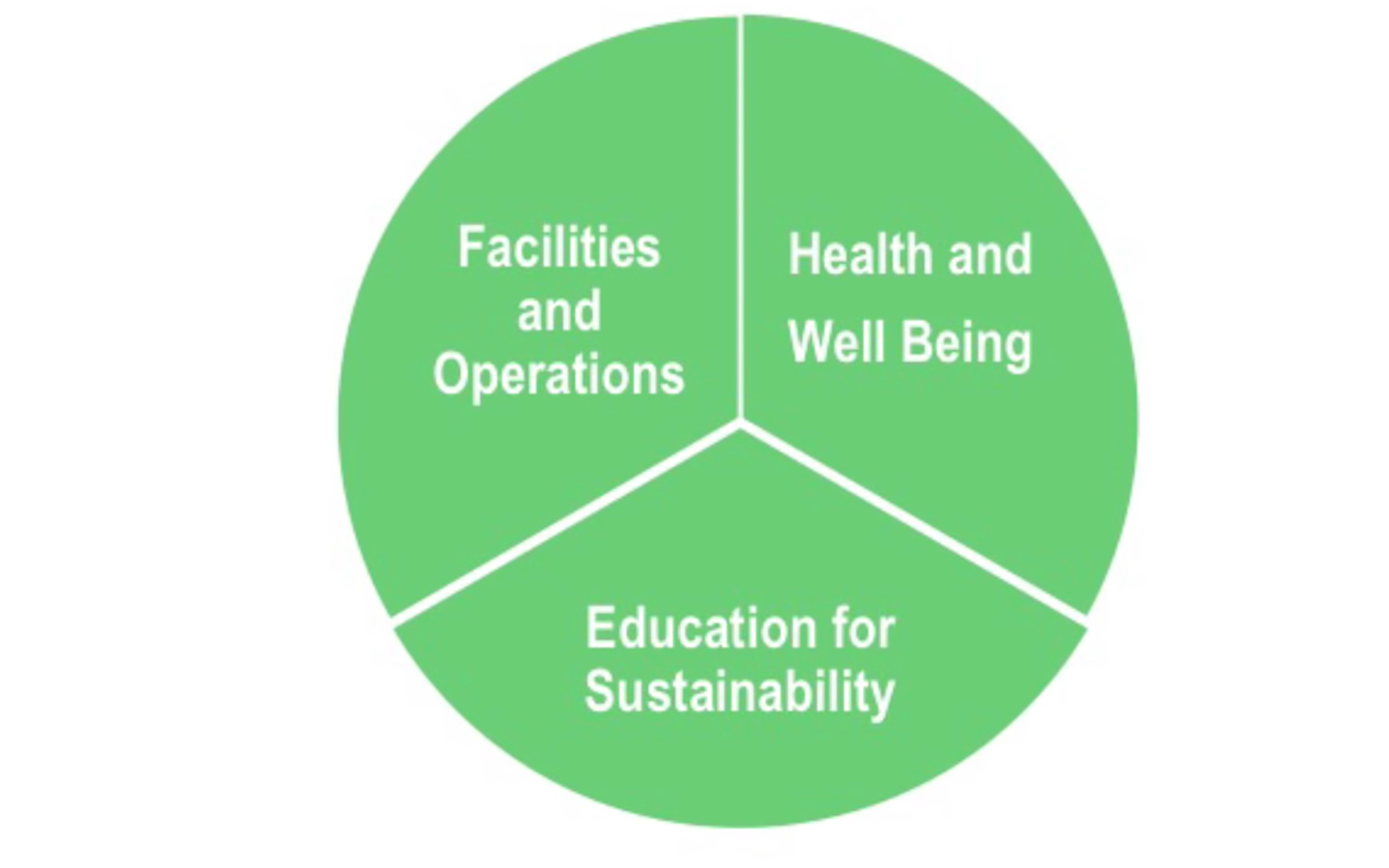
Best practices for green schools
- outdoor classrooms
- Health and wellbeing:
- environmental health, air, toxins,
- NYC Department of Education – Green Bronx Machine – health and wellness learning centre: horticulture initiative

Montessori education
The Montessori movement was founded by Dr Maria Montessori, one the most influential early years educationalists of the 20th century. A medical doctor by training, she became interested in education through her work with children with special needs, and began to set up schools, initially for disadvantaged children.
Most Montessori establishments today are pre-schools and nurseries, but there are four state schools in England using Montessori methods in the Early Years Foundation Stage (EYFS: Nursery and Reception), with plans to extend the model up the school. There are also some independent Montessori schools covering the whole primary range.
Informal research group/ feedback from local community: Relationship between parents: Often issues with children influencing parents shopping choices when learning about sustainability. Mixed reaction from parents getting irritated due to the inconvenience
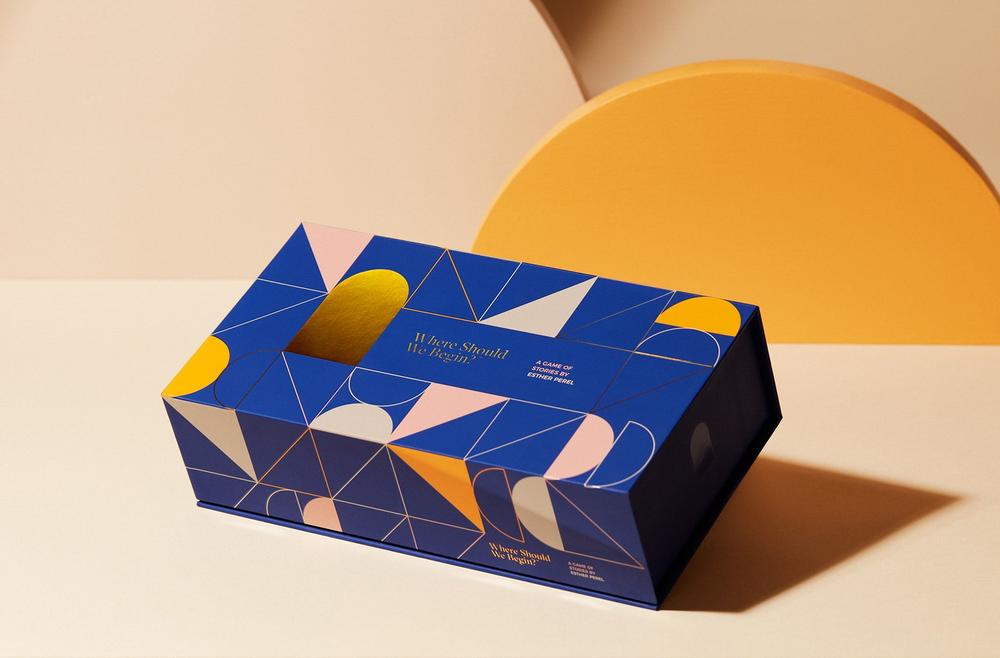
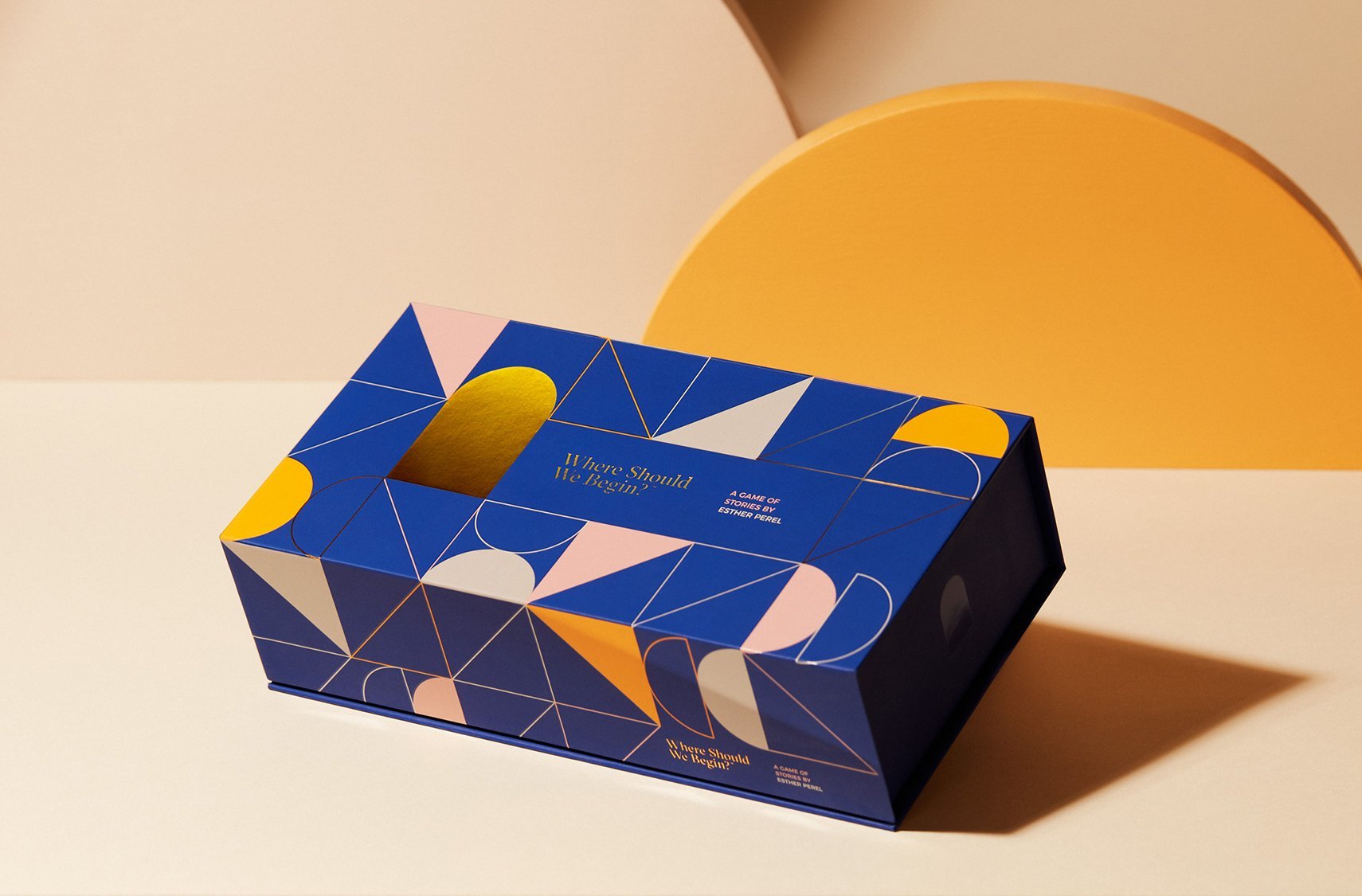
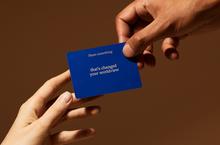
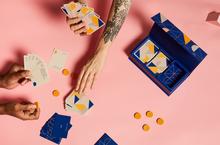
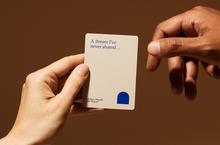
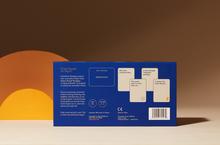
Where Should We Begin, A Game of Stories by Esther Perel
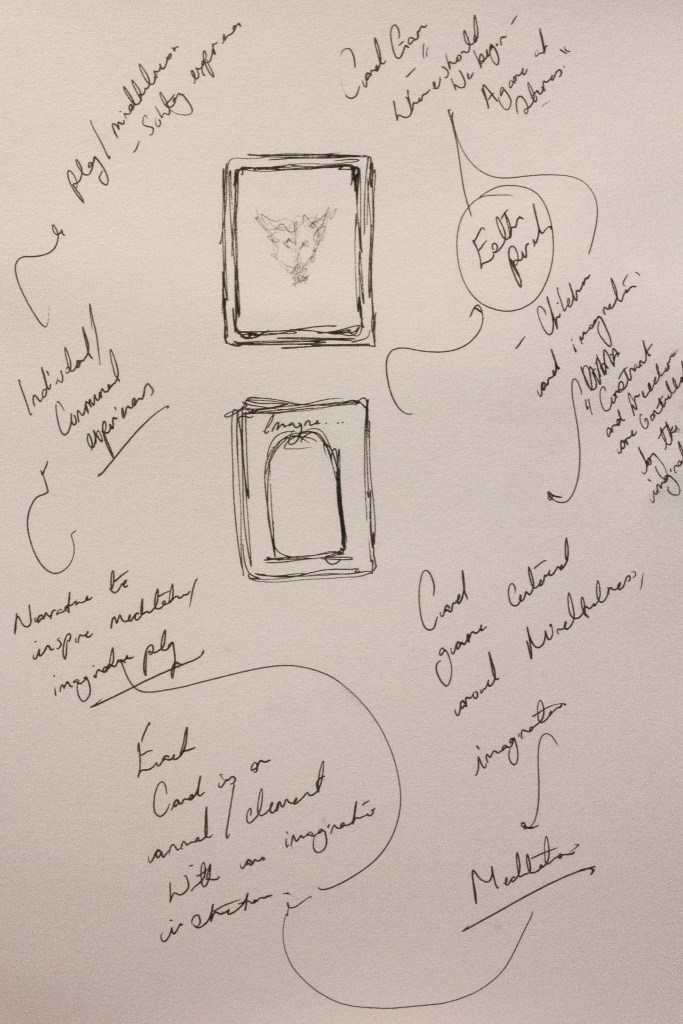
Where Should We Begin: A Game of Stories inspired me to critically interrogate the role of functionality and interactivity within this projects design outcome and how it could be used as a vehicle to facilitate transformative human experiences with specific regard to wellbeing.
Being inspired by Esther Perel’s clinical practice in psychotherapy which specialises in human relationships and sexuality, the game is designed for partners, dates or friends, and functions to reconnect people through the power of storytelling, offering ‘story cards’ which prompt players to share, listen and discover in new ways. This responds to increasing social needs for deeper, more intimate human connections in a post covid, digitised culture.
As a renowned international author and pioneering authority on the complexity human relationships and the wellbeing influences of ‘erotic intelligence’ within modern society the visual design of the games printed card deck and packaging lends itself to Esther’s personal brand which is characterised by intellectual enlightenment and progressive thinking.
Architectural geometries emphasise the games’ objective to discover narrative through its connotations of arched doors, windows and passages, whilst maintaining a universal contemporary aesthetic.
Considering project ideas to communicate awe of nature through mysticism and folkloric narrative, Will Worthington’s contribution to the illustrated Druid Animal Oracle Deck provided theoretical, visual and technical inspiration regarding traditional hand drawn illustration and the power of figurative representations of natural and mythical beings. Although his illustrative style reflects the depth and maturity of the products content and target audience, it inspired me to explore illustration as an imaginative, emotionally and intellectually provocative story telling tool.

Ecologies: Hidden Habitats is a card game produced by Montrose Education, with the objective to create fun and educational experiences inspired by nature. The games’ purpose is to maintain habitats and food webs, allowing players of all levels to model the flow of energy through ecosystems and explore their resilience or fragility depending on and abiotic/ biotic factors.
Developed by professional educators, the game is designed according to educational standards and is accompanied by a comprehensive teaching resource for education providers, including lesson points, for instance on the role of photosynthesis in the cycling of matter and flow of energy into and out of organisms. The game therefore acts in an innovative formal educational tool to prompt students to construct explanations, reinforce knowledge and challenge their thinking.
Coupling engaging interactivity and elaborate stimulating visual design, the product facilitates an ‘indirect’ way for students to experience the complexities of the natural world. Considering biophilic principles of creating complexity, variation and mimicking natural patterns and processes, the game marries the wellbeing properties of indirect nature experiences with the analysed trend of ‘edu-play-tion’. This successfully performs a socially valuable role to inspire a fascination of biodiversity within a younger audience in response to human caused climate change, habitat loss and biodiversity crisis etc.
Much like Bill Worthington’s illustrations within The Druid Animal Oracle Deck, Ecologies’ traditionally informed illustrative style captures the poetic details and complexities found in nature, inspiring me to explore how illustration can be used to communicate nature’s profundity through visual narrative. As ecologies exemplifies the current existence of some of my previous ideas, it encouraged me think more radically about innovative functionality and critically consider how illustration could exist in other 3D or environmental contexts.

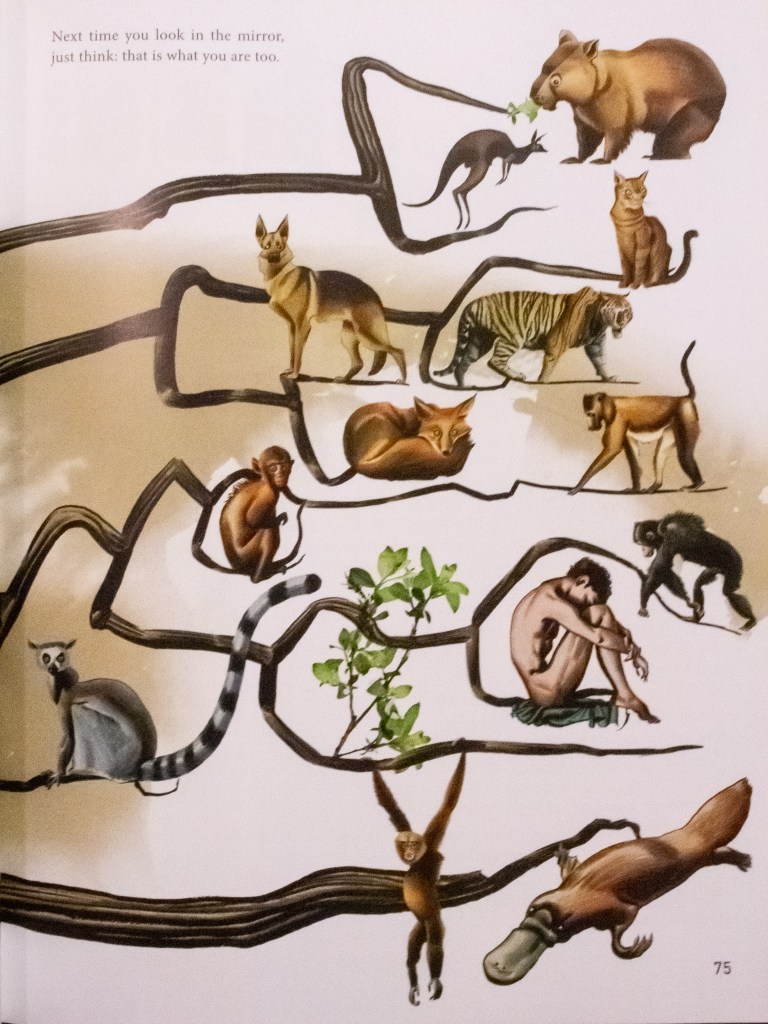

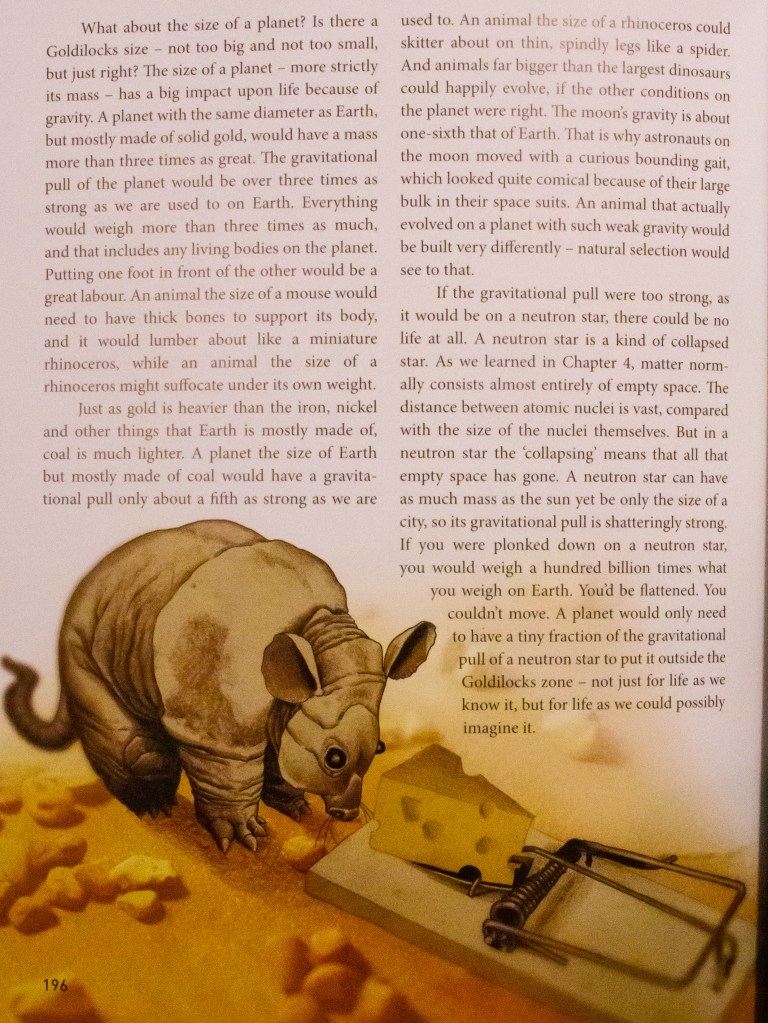

Having explored examples of figurative representation of nature through illustration, the work of Dave McKean in Richard Dawkins’ The Magic of Reality (2011) inspired me due to its use of surrealism and information graphics to communicate unseen realities and processes occurring in the natural world, from how colour is perceived to more intellectually complex concepts such as evolution. This makes information accessible to a broader audience of children, families and elderly people, satisfying Dawkins’ ambitions – as discussed in an interview (2011) – to inspire a fascination of the natural world independent of religious cultural preconceptions. Richard Dawkins’ work, such as The God Delusion (2006), challenges cultural religious indoctrination through an evolutionary biological perspective and advocates that the Sublime can be experienced in the absence of religion, as science reveals the profound vastness and complexity of universal life itself whilst being a practice which embraces the unknown. The book addresses the tension between religious theology and science by presenting a series of culturally ingrained myths used to explain natural phenomena which are then addressed from a scientific perspective.
Having considered a Dawkins inspired editorial outcome for this project, after examining the publication in further detail, I realised that its illustrative strengths left little room for improvement which motivated me to pursue more original ideas and innovative contexts to explore nature-based education and wellbeing. Being passionately interested in nature spirituality through an atheistic perspective, the previous research materials (Ecologies and The Druid Animal Oracle Deck) led me to confront conflicting influential themes of scientific reason and mythology and imagination. Considering the ‘eliminate’ ideation process within the scamper strategy, this caused me to reflect on the complexity of my personal intensions for the project and consider discarding or subordinating one of these themes in an effort to continue with greater, more manageable focus on one idea.
References
DAWKINS, R., & MCKEAN, D. (2011). The magic of reality: how we know what’s really true. New York, Free Press.
DAWKINS, Richard. 2011. Interviewed by Waterstones in The Magic of Reality: How We Know What’s Really True [online]. Available at: https://www.youtube.com/watch?v=DlUPlpUci4c
DAWKINS, R. (2006). The God delusion.

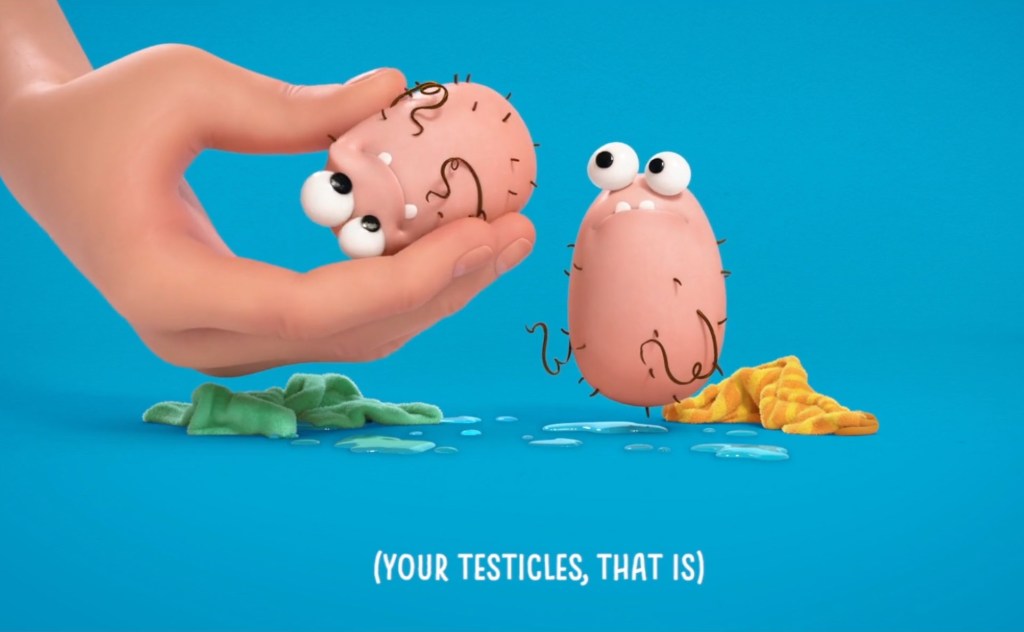

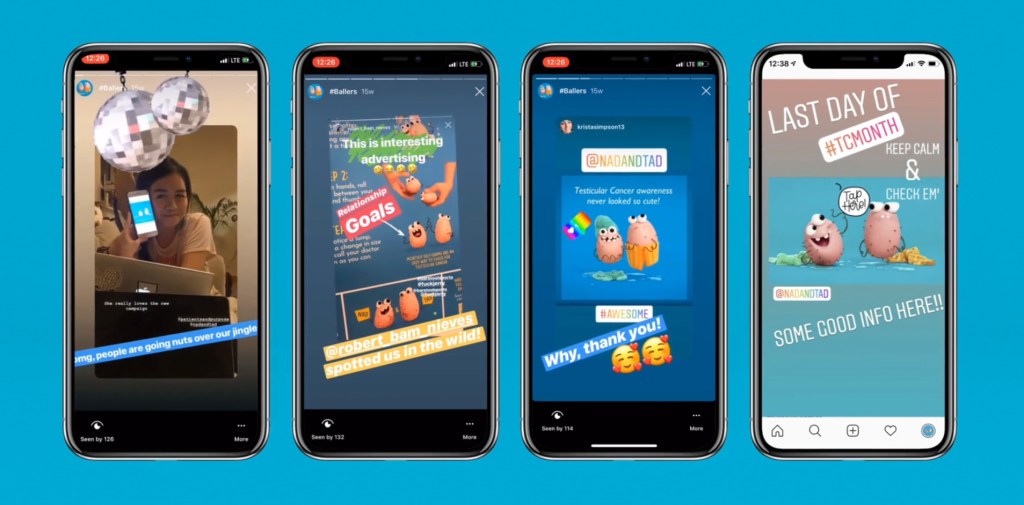
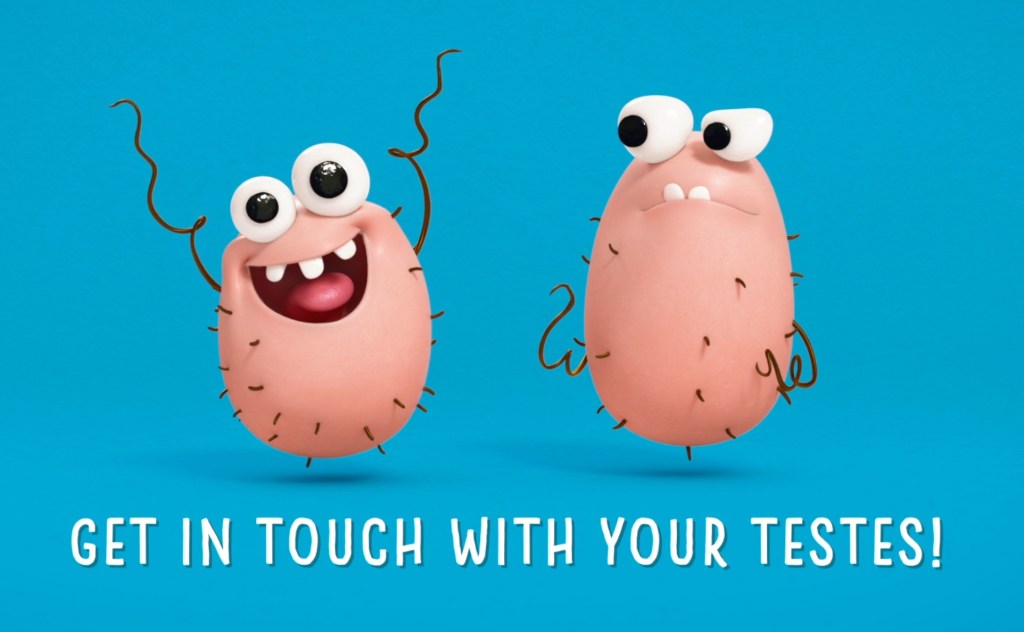
Omnicom Health Group’s ‘Get in Touch with your Testes’ campaign exemplifies how personification of the abject can be used to engage audiences with complex or intimidating issues by attributing recognisable human characteristics. This is also highlighted by Geoffrey Lillemon’s crypto currency project, discussed in his talk ‘Redefining Reality’, where the designers gave money a personality to encourage nurturing user responses.
Omnicom’s use of ‘Nad & Tad’ as protagonists to promote positive discussion around men and testicular health, reminded me of Harriet’s Beasley’s lecture on brand stories and the workshop exercise using film as an analogy to dissect the underlying narrative of a brand. Considering my projects emphasis on nature, this inspired me to further explore how natural elements and plant and animal species could be personified or framed as ‘heroes’ with obstacles and challenges (such as ecological issues, habitat loss etc) in order to emotionally engage my target audience and cultivate meaningful connections with nature.
Omnicom Health Group. 2021. Get in Touch with your Testes. [Medical Campaign]. Omnicom Health Group [online]. Available at: https:https://www.omnicomhealthgroup.com/work/ [accessed Dec 2021]
3d printing: Additive Manufacturing
Sensory Toys
Additive manufacturing in 3d printing technology is innovating contemporary production methods across various industries, enabling designers to create complex objects which are more time and cost efficient than traditional processes of moulding, forging and sculpting etc. As 3D printers interpret digital blue print, building objects up in layers from extruded input, the possibilities for 3D printing span across a diverse range of media such as bioplastics, ceramics, food and bio materials for regenerative medicine.
This articulated sensory fidget toy, designed for children and adults allows the object the flexibility to mimic the natural movement of the slug. The tactility and physical engagement provided by the toy’s movement promotes self-regulation, focus, concentration and decreased stress and anxiety levels by increasing sensory awareness of the hands and fingers. Considering Geoffrey Lillemon’s talk on ‘Redefining Reality’, the exploration sensorial dimensions in design interests me as an innovative approach to socially conscious design for human wellbeing. Having a background in traditional ceramic sculpture, 3D printing as a revolutionary production practice inspired me to consider its relevance to graphic design and whether it could be meaningful employed within this project. For instance, could it be used to produce a game with more tactile sensory prompts than cards?
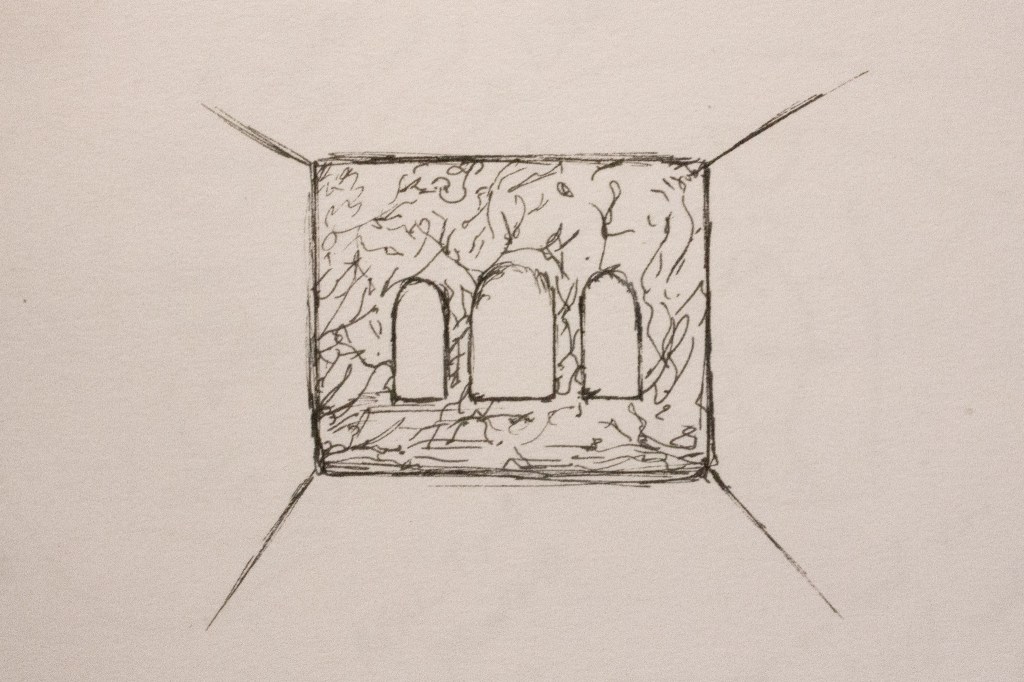


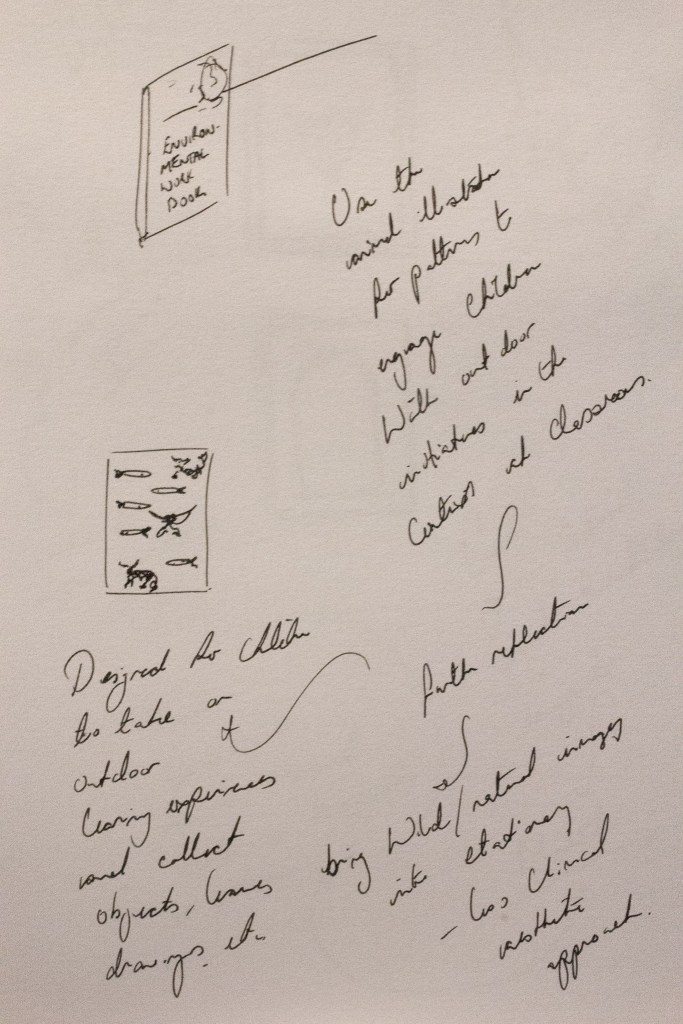
Considering the conflicting issues of spirituality, imagination and science-based reason with regard to the theme of nature, I developed an idea for a tryptich of illustrated animal portraits to be produced as an environmental design for a communal space (hall, garden, playground) within a school. As the triptych composition of arched portraits connotes religious worship, I thought this could be a unique opportunity to challenge or substitute traditional religious elements within school identities and environments with something more nature based and secular which connects students to the importance of wildlife, species conservation and sustainability.
In the interest of pursuing innovation and originality, I intended for this to be combined with biophilic design elements such as a living plant wall to provide sensory engagement and promote responsibility for plant life.
Considering the organic properties of plywood printing and its resilience in contact with water, I thought this idea would be an opportunity to explore combining direct and indirect experiences of nature for the purpose of holistic wellbeing.
Industry Professional Feedback: Fiona Coulson, Deputy Head Teacher, Coventry
Reflection:
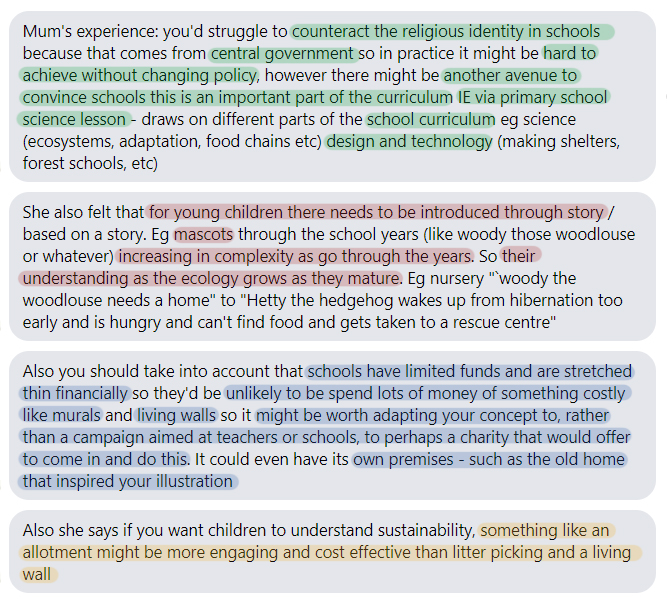
Fiona Coulson’s professional feedback as retired Deputy Head of a primary school enabled me to critically consider the real-world application of my idea within the context of state funded primary education. Her main point included:
- Due to the religious identity of schools being dictated by central government policy, other avenues should be considered whether it be a project to assist the delivery of curriculum led topics, such as ecosystems and adaptation taught through science or forest school like shelter or natural craft activities being taught through design technology.
- Narrative aspect needs to be clearer as young children are engaged by stories, for example, school mascots through school years or subjects, increasing in complexity in alignment with each key stage, e.g. ‘woody the wood louse need a home’ or ‘Hetty the Hedgehog wakes up early from hibernation and can’t find food’.
- Consider limited state school funding and maybe adapt the concept to something charity based which could offer programmes/ initiatives, rather than aiming a product at teachers or schools who might be unwilling to spend excess funds on larger projects.
- Consider something more tactile and simpler like an allotment programme rather than litter picking to engage younger children with sustainability though a reward-based approach – the children would be excited by the growing stages and prospect of eating food they’ve grown themselves etc

 CATHY DAVIES